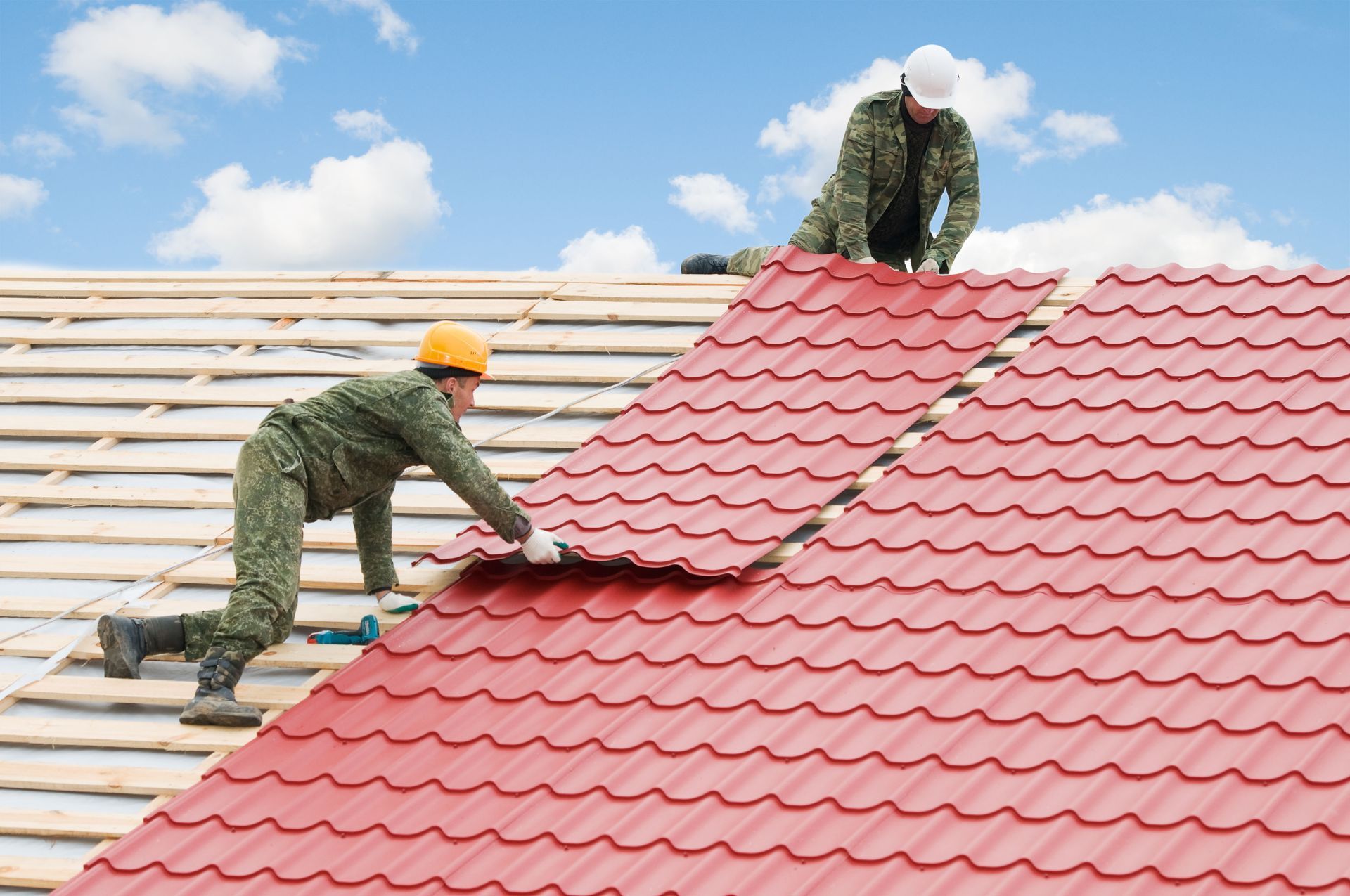
Safeguarding a residential dwelling from harsh meteorological elements represents a foundational obligation of homeownership, with the overhead canopy serving as the primary barrier against driving rainstorms, freezing blizzards, and relentless solar radiation. While property owners dedicate significant attention to interior kitchen remodels, hardwood floor polishing, and lush exterior landscaping, the structural health of the overhead roof deck frequently remains neglected until water actively drips into attic rafters. Because high-pitched roof planes sit safely out of reach, homeowners easily succumb to an out-of-sight mentality, assuming that unblemished shingle surfaces signify complete weatherproofing. However, maintaining and modernizing a residential roof represents an essential home investment that directly impacts living safety and energy costs. Domestic property upgrades have grown increasingly prevalent across the country; indeed, according to the U.S. Census Bureau, 59% of U.S. homeowners made home improvements in 2024. This widespread commitment to property enhancement demonstrates how proactively modern families invest in structural preservation and real estate longevity. Selecting qualified roofing specialists ensures that every shingle layer, flashing collar, and attic ventilation passage is installed to withstand regional weather patterns. Preparing strategic questions regarding contractor licensing, workmanship warranties, material grades, and safety certifications protects homeowners from premature roof failures, costly structural leaks, and disappointing craftsmanship. Taking a disciplined approach guarantees a seamless process that safeguards equity and provides lasting peace of mind.
Verifying Regional Licensing Credentials and Comprehensive Liability Coverage
The essential starting point when interviewing prospective roofing contractors involves confirming full regulatory compliance, valid municipal licensing, and comprehensive insurance coverage. Installing an exterior roof canopy involves hazardous heights, heavy pneumatic nailers, and physical demolition along building eaves. Unlicensed operators lacking verified trade training frequently overlook regional building codes, ignore safety standards, or execute shoddy installations that leave property owners vulnerable to municipal fines and structural failures. Inquiring whether prospective local roofers carry current state trade licenses guarantees that installation crews understand regional wind-load requirements, legal nailing patterns, and underlayment mandates. Furthermore, homeowners must request certified documentation verifying active general liability insurance and workers' compensation coverage for every employee setting foot on the jobsite. Should an uninsured laborer suffer an accidental fall from an eave or drop heavy bundles of shingles through skylight glass, the financial liability can fall squarely upon the homeowner's personal property insurance policy. Requesting insurance certificates upfront filters out transient handymen, ensuring certified, accountable workmanship.
Evaluating Physical Community Presence and Verified Neighborhood Reputation
Gauging the consistency of contractor service quality, technician punctuality, and post-installation support requires investigating authentic neighborhood reputations and verified community feedback. Following severe hail storms or hurricane winds, transient storm-chasing crews frequently flood residential neighborhoods, offering cheap, hasty roof overlays before disappearing to the next storm zone. In sharp contrast, choosing reputable local roofers connects homeowners with established businesses that possess physical offices, local material yards, and deep community roots within the region. Established local contractors value their community reputation, relying on word-of-mouth recommendations and neighborhood goodwill to sustain their enterprises over changing economic cycles. Homeowners should request local references, driving past nearby completed installations to examine shingle alignment, clean ridge lines, and property cleanup. Furthermore, local contractors understand regional climate eccentricities intimately, knowing precisely how coastal salt air, heavy mountain snow loads, or intense suburban heatwaves affect specific roofing products. Selecting community craftsmen ensures your provider remains accessible long after project completion to address future maintenance needs.
Inquiring About Complete Roofing System Components Beyond Shingle Surfaces
A prevalent misconception among homeowners is the belief that an overhead roof consists merely of visible asphalt shingles nailed over wooden rafters. In truth, seasoned local roofers approach residential canopies as integrated, multi-layered water-shedding assemblies where outer shingles serve only as the initial barrier. Homeowners must ask prospective contractors about the specific underlayments, starter strips, and leak barriers included in their installation proposals. High-quality roof installations feature self-adhering ice and water protection membranes installed along eaves, valleys, and chimney perimeters, preventing capillary water migration caused by winter ice dams and wind-driven rain. Above these critical zones, synthetic roofing underlayment covers the raw plywood roof deck, providing secondary water-repellent protection while allowing internal moisture vapor to escape harmlessly. Furthermore, sturdy drip edge metal strips must line rakes and eaves, directing roof runoff away from vulnerable wooden fascia boards and into gutter troughs. Asking questions about the complete assembly ensures every layer works harmoniously to prevent leaks and maximize roof longevity.
Assessing Attic Ventilation Dynamics and Energy Efficiency Balance
An invisible yet destructive factor undermining residential roofing structures originates not from exterior rainfall, but from inadequate attic air circulation directly beneath roof decking. During scorching summer days, trapped attic air heats up dramatically, baking shingles from below and causing protective mineral granules to loosen prematurely. In freezing winter weather, warm indoor humidity generated by laundry dryers, hot showers, and cooking rises into unventilated attic cavities, condensing into water droplets along chilled roof rafters. Consulting experienced local roofers reveals that moisture condensation fosters wood-decay fungi, rusts steel framing fasteners, and saturates attic insulation batts, drastically reducing thermal energy efficiency. Establishing balanced airflow dynamics requires installing continuous intake soffit vents along lower eaves paired with ridge exhaust vents along uppermost peaks. This natural thermal convection draws cool exterior air in through lower eaves while venting hot, moist vapor out through ridge caps without requiring mechanical energy. Balanced attic ventilation ensures your roof breathes properly, extending shingle longevity and safeguarding healthy indoor air quality.
Reviewing Manufacturer Certifications and Transparent Warranty Protections
The ultimate test of a residential roofing investment lies in the strength, duration, and legal transparency of the warranty protections backing both materials and labor. Major roofing material manufacturers offer distinct tiers of warranty coverage, with premium non-prorated warranties reserved exclusively for factory-certified contractors who follow strict installation specifications. Homeowners should ask prospective local roofers whether their technicians hold master-level certifications with leading shingle manufacturers. Certified installers undergo ongoing factory training, ensuring that nails are driven at correct angles and depths, starter shingles are properly bonded, and ridge caps are securely fastened against high winds. Furthermore, property owners must demand clear, written documentation detailing both manufacturer material warranties and dedicated contractor workmanship guarantees. Understanding what coverage applies if a shingle blows off during a gale or a valley seam develops a leak provides essential financial protection. Securing comprehensive warranties ensures your investment remains protected against defects and installation errors.
Selecting the appropriate roofing partner represents an indispensable decision that directly influences the longevity, structural safety, and resale value of your home. Allowing uncertified, inexperienced operators to replace your roof canopy invites incomplete flashing seals, compromised attic ventilation, hazardous water leaks, and voided manufacturer warranties that cost thousands of dollars to remediate. In sharp contrast, partnering with accredited, licensed, and thoroughly insured local craftsmen ensures that your overhead roof receives complete underlayment defense, precision fastening, balanced thermal ventilation, and robust warranty backing. By demanding transparent written proposals, verifying municipal licensing, and confirming factory certifications, homeowners safeguard their living spaces against severe seasonal weather. Proactive roofing stewardship preserves structural framing, protects interior comfort, and maximizes residential real estate equity across decades of domestic service. Investing in professional roofing craftsmanship delivers uninterrupted weather defense and guarantees lasting peace of mind for modern property owners.
At Lang Brothers Construction, our dedicated team brings deep roofing expertise, premium material selections, and an unwavering commitment to craftsmanship on every residential project we guide, ensuring your home achieves maximum weather resistance, unyielding structural durability, and lasting beauty across every changing season. Contact us today or visit our local office to schedule your comprehensive roof evaluation and discover the lasting benefits of working with trusted roofing professionals.